How Sleep Affects Workout Performance
Evidence review updated: September 6, 2026.
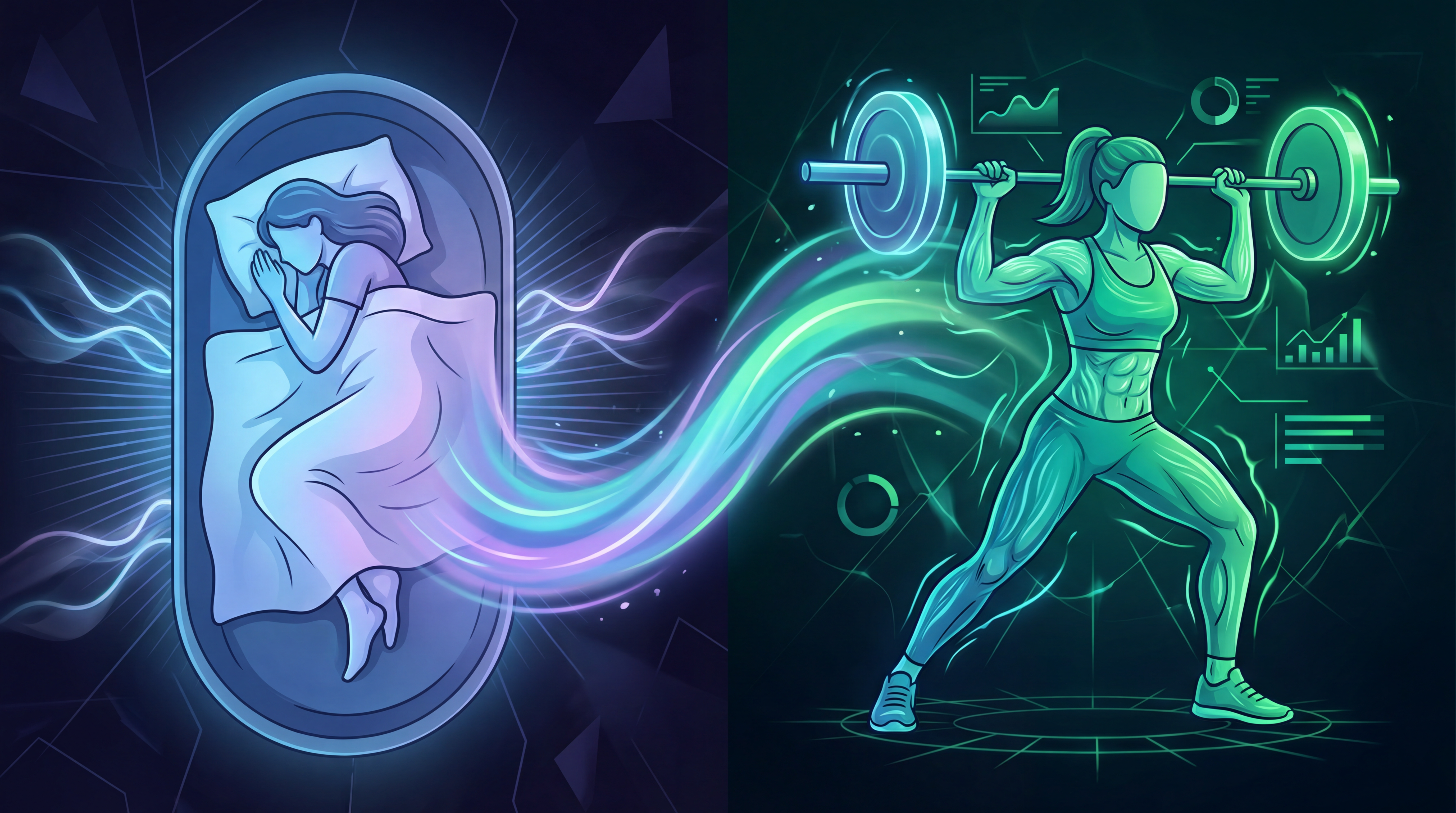
Sleep supports attention, learning, mood, metabolic health, and physical recovery. Too little sleep can make training feel harder and can impair reaction time and decision-making. The size of the effect on strength or endurance varies by person, task, and study, so claims that one short night always cuts performance by a fixed percentage are misleading.
What to do after a short night
One poor night does not automatically require skipping exercise. Check how you feel during the warm-up. If coordination, motivation, or normal working loads are clearly off, reduce load or volume, choose a lower-risk session, or recover. Avoid high-skill or maximal efforts when very sleepy, and never drive drowsy.
Repeated short nights deserve more attention. Protect a regular sleep opportunity of at least seven hours for adults, and allow more when training demands or personal need warrant it. Keep the bedroom quiet, dark, cool, and comfortable; avoid alcohol and large meals near bedtime; and move caffeine earlier if it delays sleep.
Track sleep alongside perceived effort and performance over several weeks. Wearables can help identify timing and duration patterns, but stage scores and a single “readiness” number are estimates, not diagnoses.
Persistent insomnia, loud snoring or gasping, morning headaches, or excessive daytime sleepiness should be discussed with a clinician.