
Evidence-based insights to optimize your health — DEEP Blog

Evidence-based insights to optimize your health

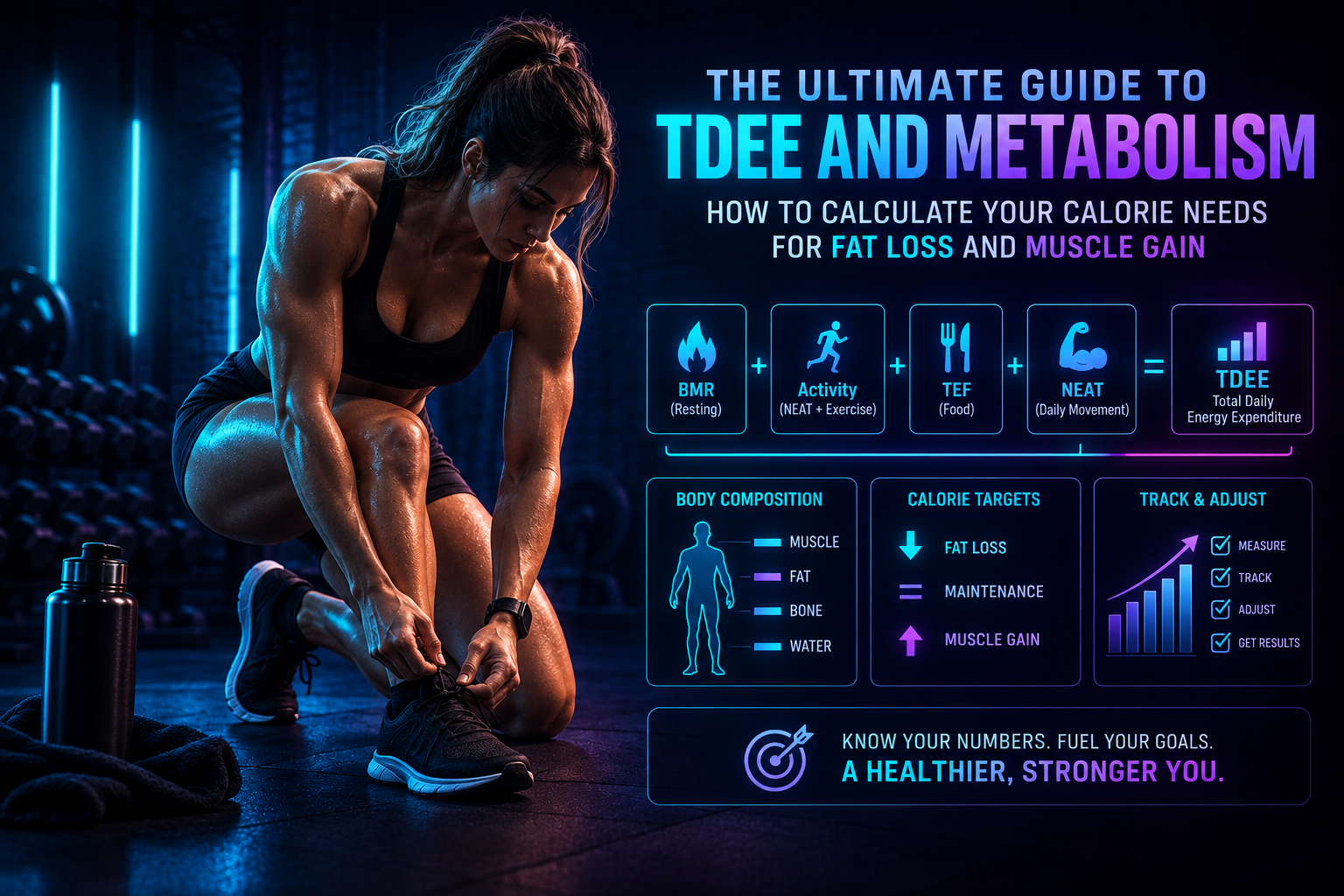
  1. The Ultimate Guide to TDEE and Metabolism: How to Calculate Your Calorie Needs for Fat Loss and Muscle Gain

    NUTRITION

    The Ultimate Guide to TDEE and Metabolism: How to Calculate Your Calorie Needs for Fat Loss and Muscle Gain

    Learn how to calculate your Total Daily Energy Expenditure (TDEE) and understand metabolism science to optimize your diet for fat loss or muscle gain.
    DEEP Team

    September 6, 2026

    8 min read

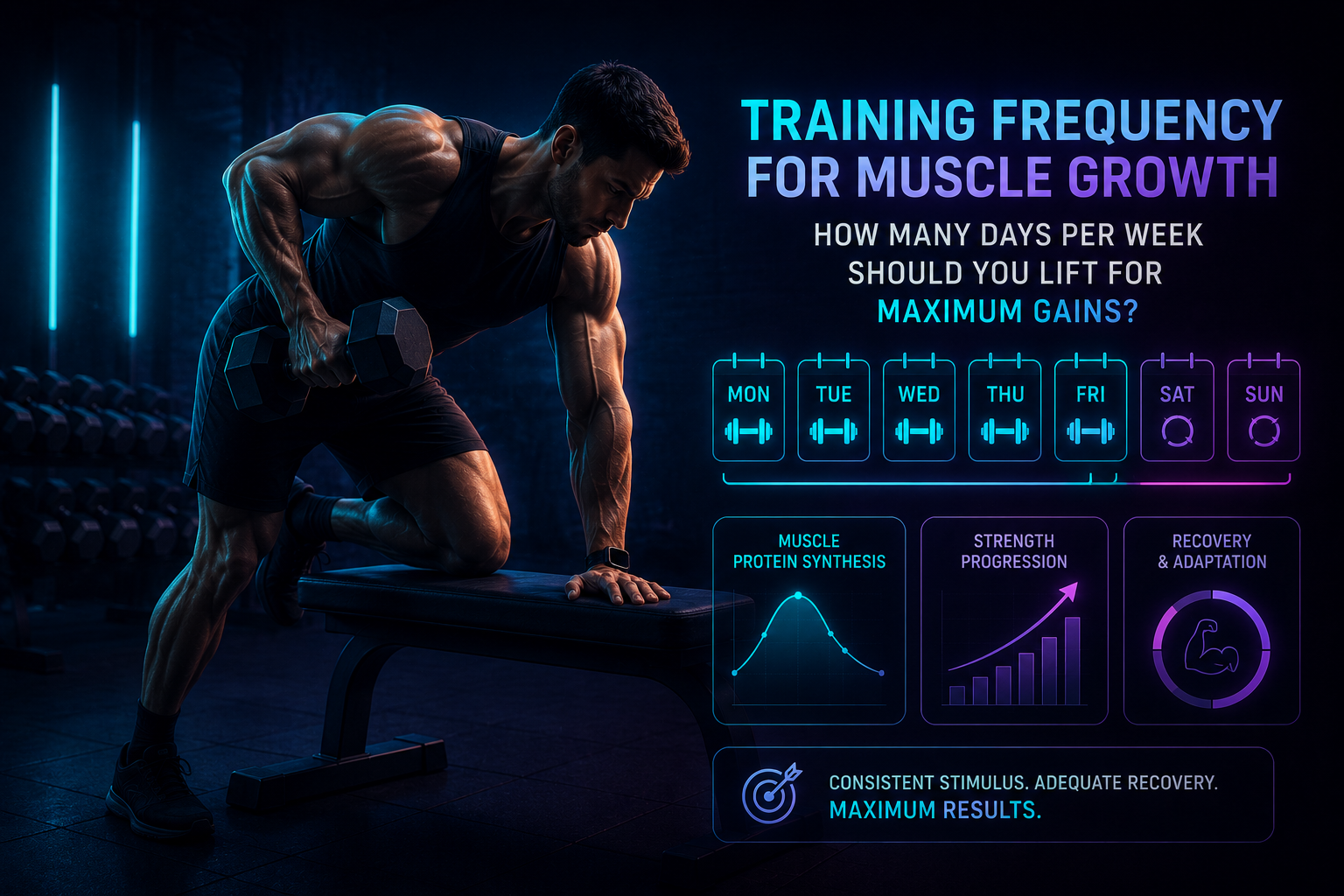
  2. Training Frequency for Muscle Growth: Fit the Work to Your Week

    TRAINING & RECOVERY

    Training Frequency for Muscle Growth: Fit the Work to Your Week

    Train major muscle groups at least twice weekly, then distribute volume across a schedule you can recover from and sustain.
    DEEP Team

    May 20, 2026

    4 min read

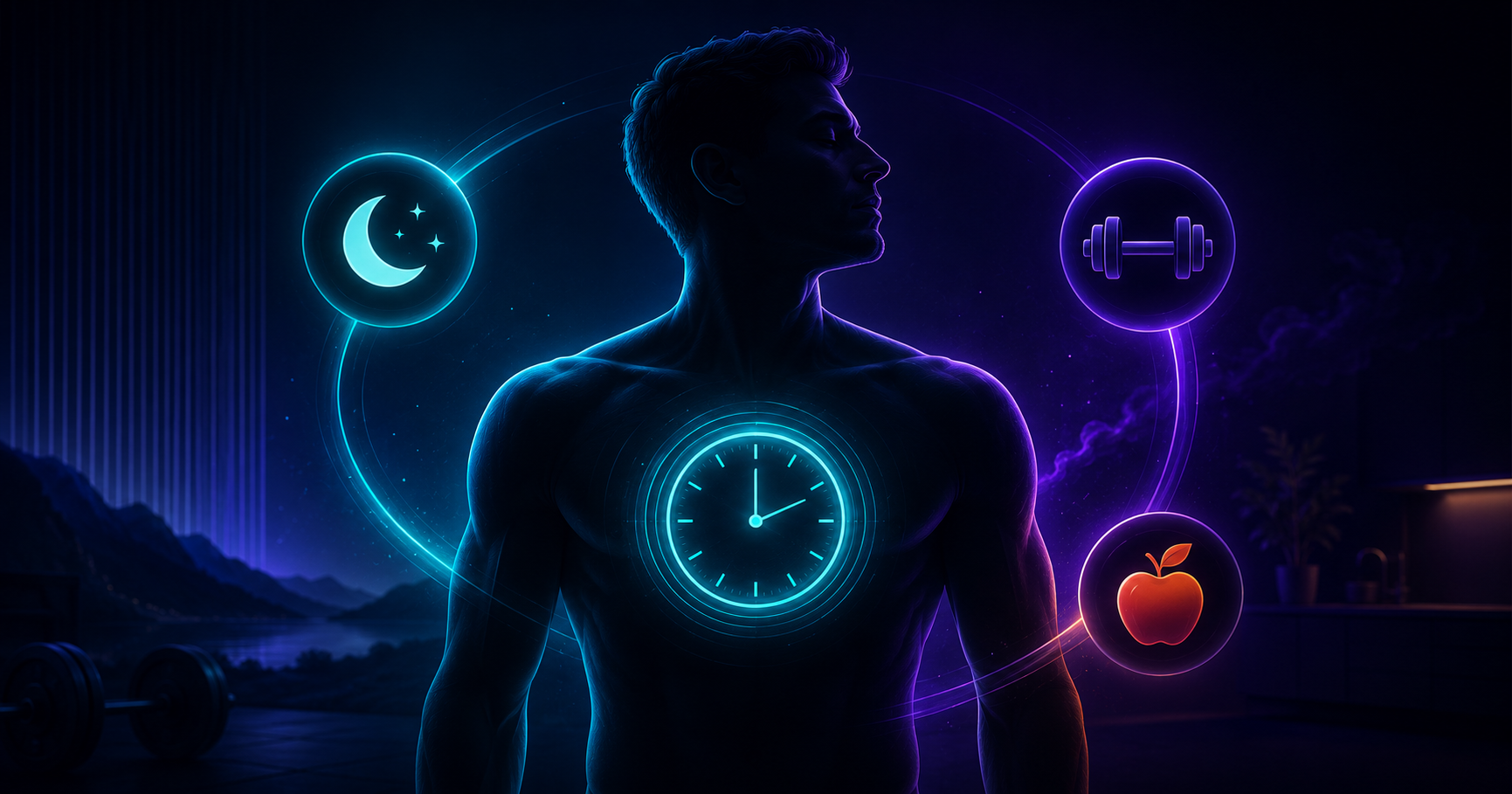
  3. Sleep Chronotypes: Should You Train and Eat by Your Internal Clock?

    SLEEP & RECOVERY

    Sleep Chronotypes: Should You Train and Eat by Your Internal Clock?

    Chronotype can influence when you feel best, but consistency, adequate sleep, and a workable routine matter more than rigid timing rules.
    DEEP Team

    May 18, 2026

    4 min read

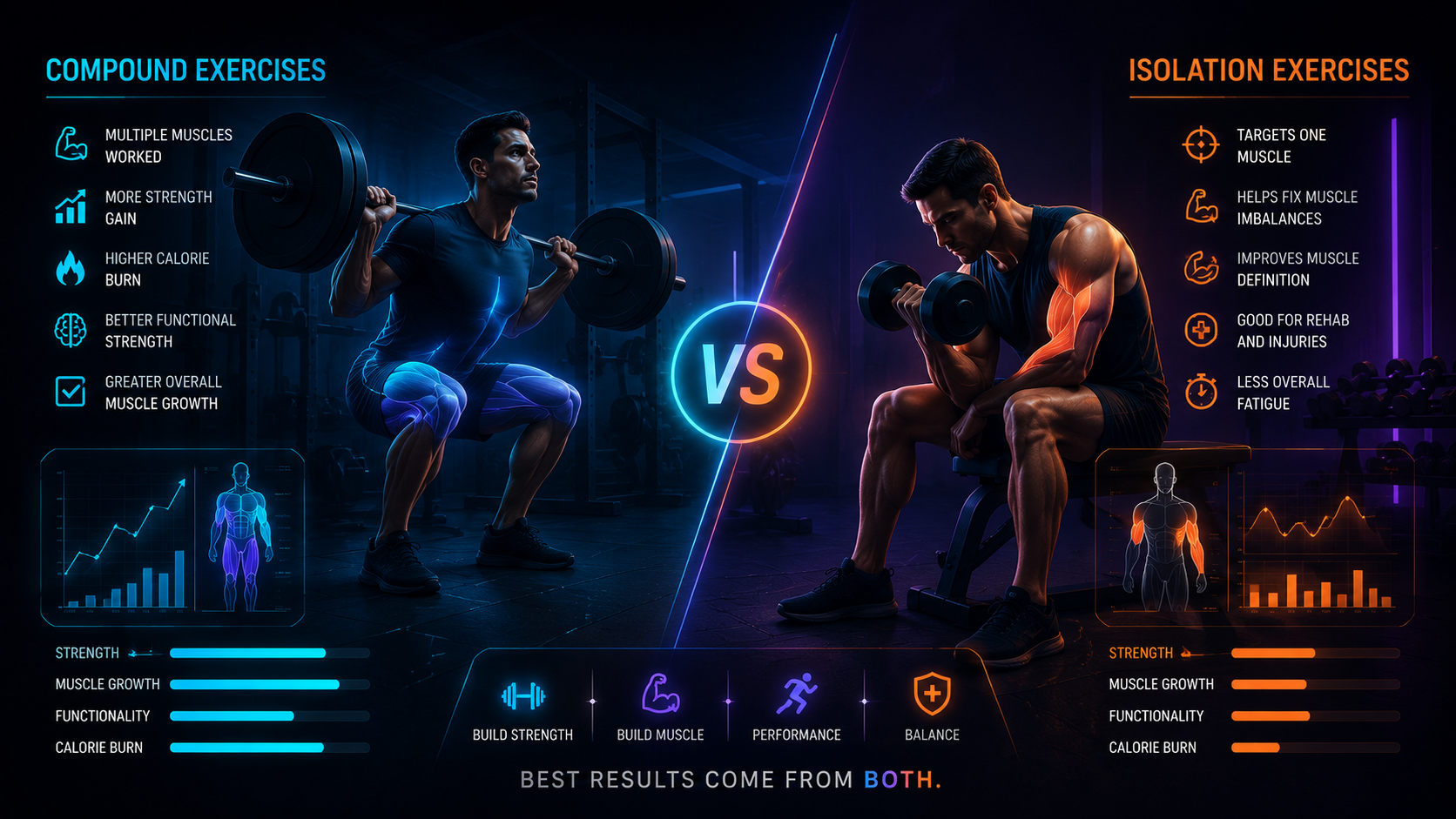
  4. Compound vs. Isolation Exercises: How to Use Both

    TRAINING & RECOVERY

    Compound vs. Isolation Exercises: How to Use Both

    Compound and isolation exercises are tools, not rivals. Choose them by goal, comfort, time, and the muscles you need to train.

    DEEP Team

    May 16, 2026

    4 min read

  5. Intermittent Fasting for Athletes: Tradeoffs, Not Superpowers

    NUTRITION & PERFORMANCE

    Intermittent Fasting for Athletes: Tradeoffs, Not Superpowers

    Time-restricted eating can fit some athletes, but it does not reliably boost performance and can make adequate fueling harder.

    DEEP Team

    May 16, 2026

    4 min read

  6. Bedroom Temperature and Sleep: A Practical Guide

    SLEEP & RECOVERY

    Bedroom Temperature and Sleep: A Practical Guide

    A cool, comfortable room can support sleep, but there is no single perfect temperature or guaranteed deep-sleep boost.

    DEEP Team

    May 16, 2026

    4 min read

  7. Diet Adherence: Build a Plan You Can Actually Live With

    NUTRITION & RECOVERY

    Diet Adherence: Build a Plan You Can Actually Live With

    A sustainable eating pattern fits preferences, culture, budget, health needs, and daily life. Mindset helps, but it does not replace a sound plan.

    Matt Lobel

    May 8, 2026

    4 min read

  8. Rep Ranges for Hypertrophy: What Matters in 2026

    TRAINING

    Rep Ranges for Hypertrophy: What Matters in 2026

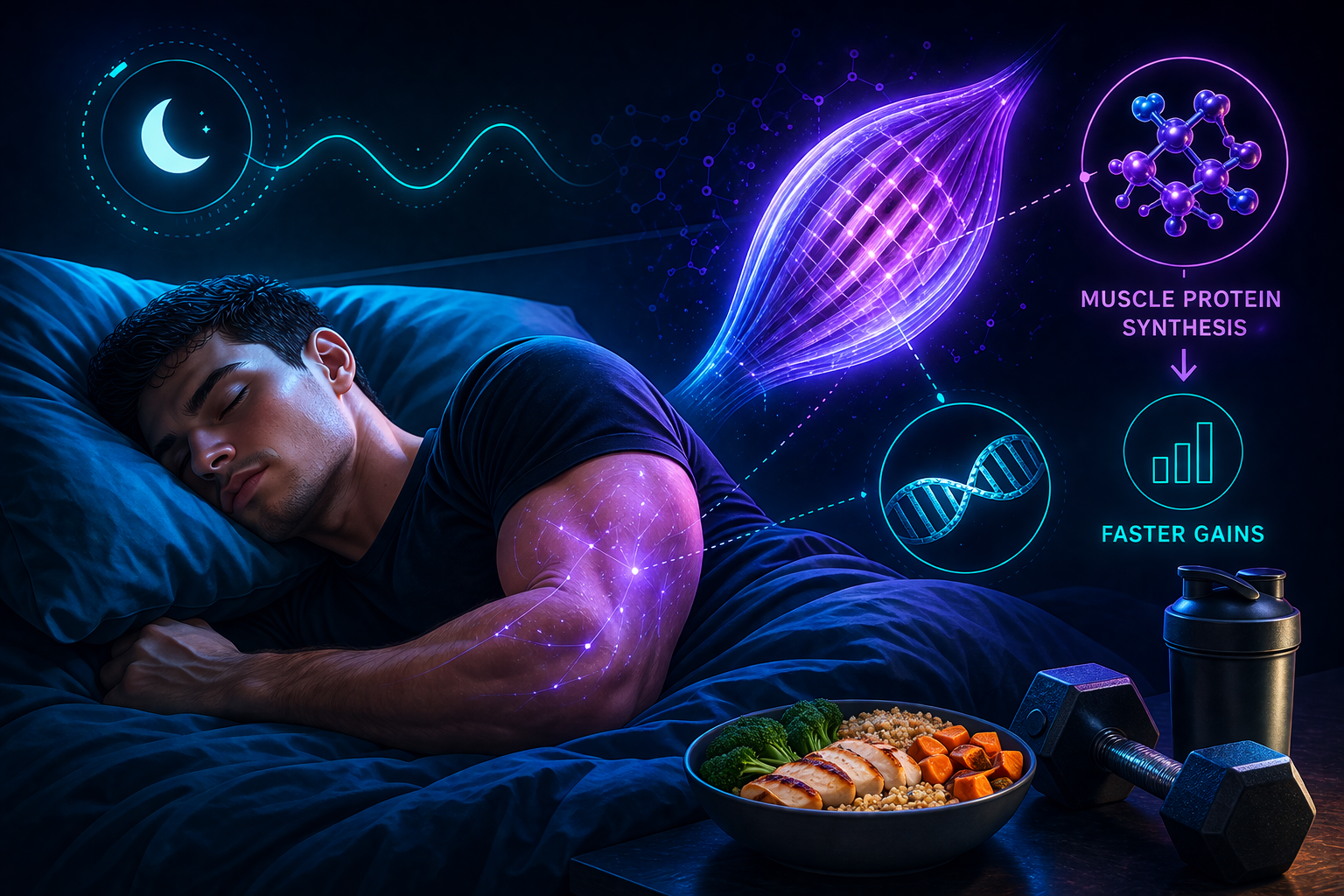
    Muscle can grow across a broad load range. Weekly volume, effort, progression, and adherence matter more than one magic rep range.
    Matt Lobel

    May 8, 2026

    4 min read

  9. Sleep and Muscle Recovery: What the Evidence Supports

    SLEEP & RECOVERY

    Sleep and Muscle Recovery: What the Evidence Supports

    Sleep supports training recovery, but a wearable's deep-sleep score is not a direct measure of muscle protein synthesis.

    Matt Lobel

    May 4, 2026

    4 min read

  10. Calorie Cycling for Fat Loss: Useful Structure, Not Metabolic Magic

    NUTRITION

    Calorie Cycling for Fat Loss: Useful Structure, Not Metabolic Magic

    Calorie cycling can help some people organize a weekly deficit, but it is not proven to prevent metabolic adaptation.

    Matt Lobel

    May 1, 2026

    4 min read

  11. Deload Weeks: When Less Training May Help

    TRAINING & RECOVERY

    Deload Weeks: When Less Training May Help

    Deloads can manage fatigue, but evidence does not support a mandatory schedule or a promise that they prevent injury.

    Matt Lobel

    April 29, 2026

    4 min read

  12. Is Blue Light Really Ruining Your Sleep?

    SLEEP & RECOVERY

    Is Blue Light Really Ruining Your Sleep?

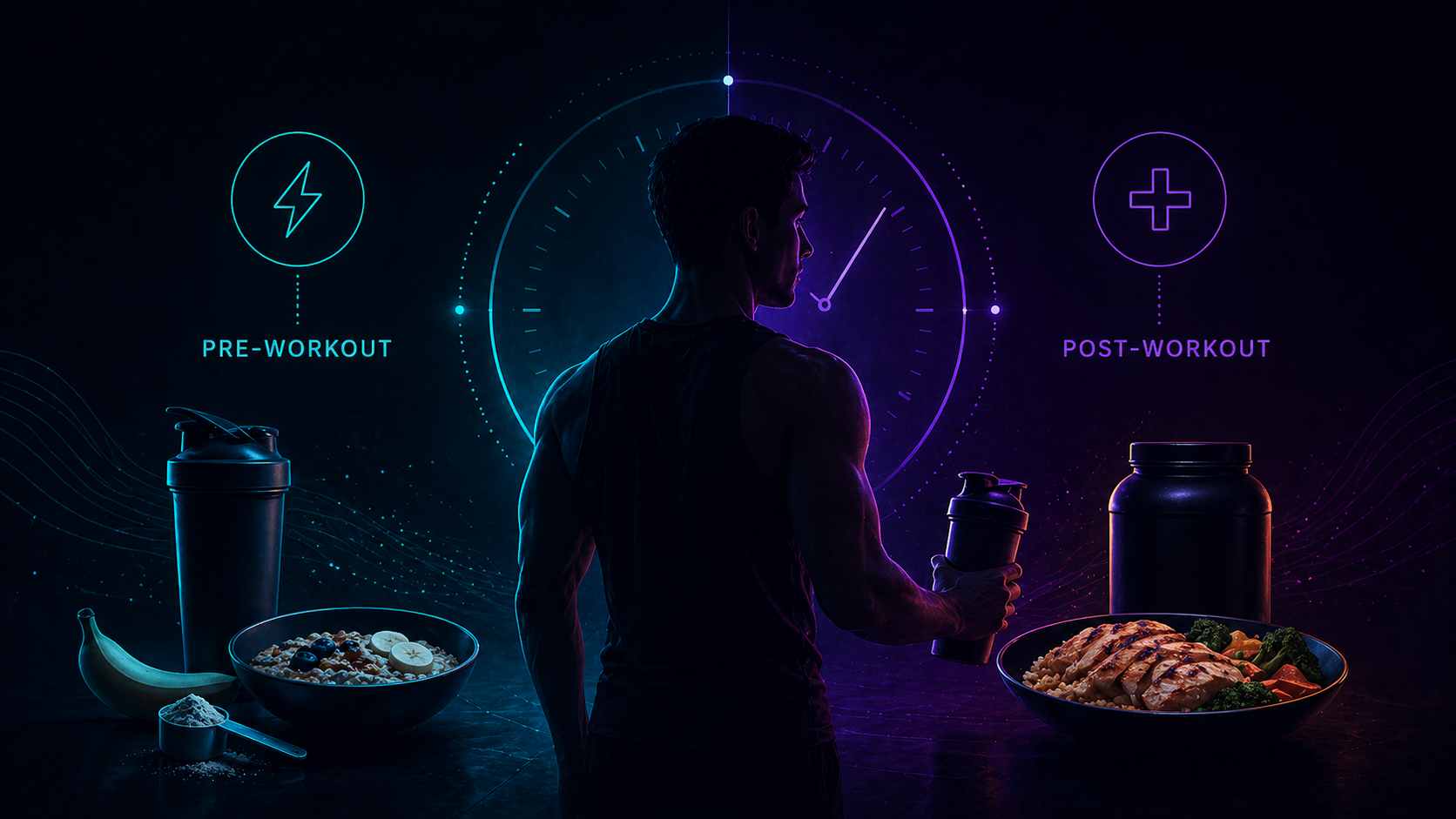
    Evening light can delay circadian timing, but screen use affects sleep through brightness, timing, content, and displaced bedtime—not blue light alone.
    Matt Lobel

    April 27, 2026

    4 min read

  13. Pre- vs. Post-Workout Nutrition: Timing in Context

    NUTRITION & PERFORMANCE

    Pre- vs. Post-Workout Nutrition: Timing in Context

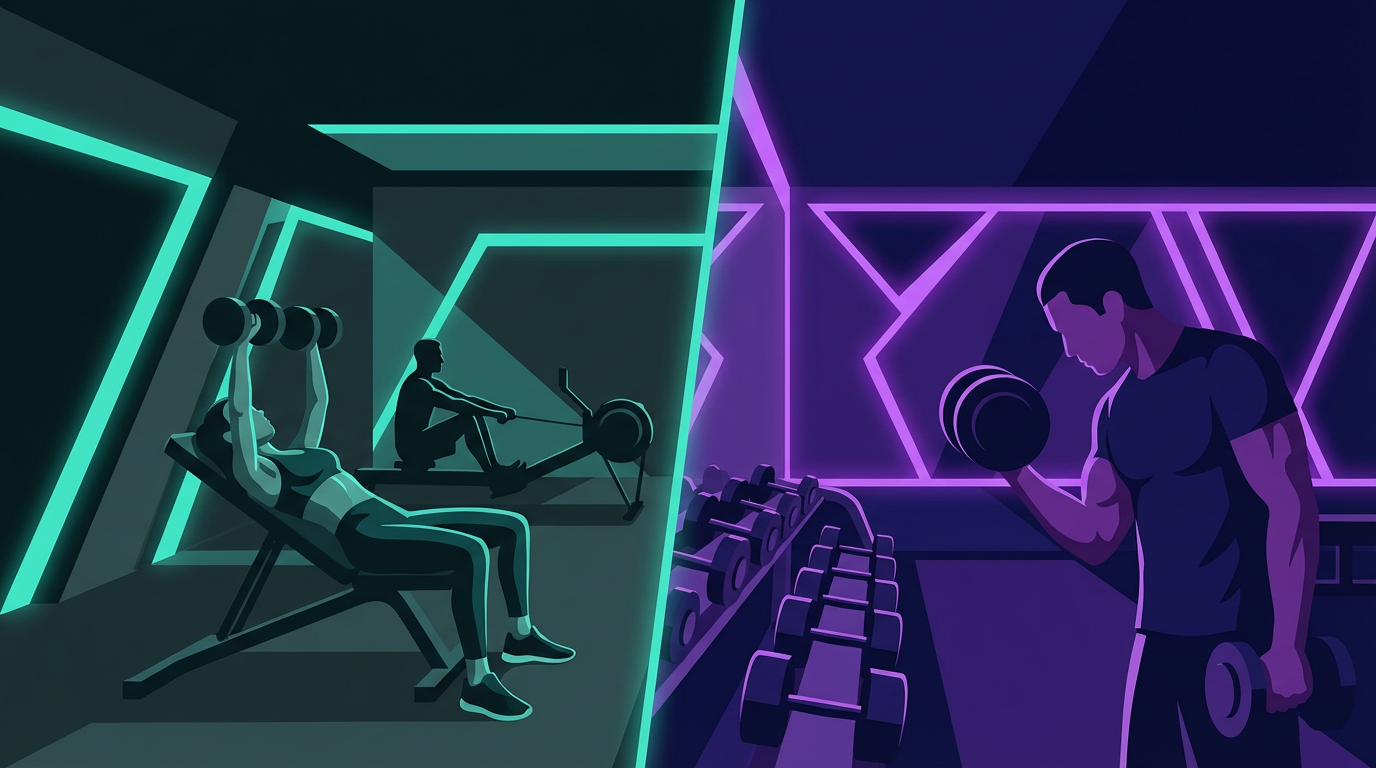
    Daily intake comes first; meal timing becomes more important for long, intense, or closely spaced sessions.
    Matt Lobel

    April 27, 2026

    4 min read

  14. Supersets vs. Drop Sets: Two Time-Efficient Options

    TRAINING

    Supersets vs. Drop Sets: Two Time-Efficient Options

    Both methods can save time, but neither has a proven hypertrophy advantage over well-designed traditional sets.

    Matt Lobel

    April 22, 2026

    4 min read

  15. The Science of Napping: Recovery Without the Hype

    SLEEP & RECOVERY

    The Science of Napping: Recovery Without the Hype

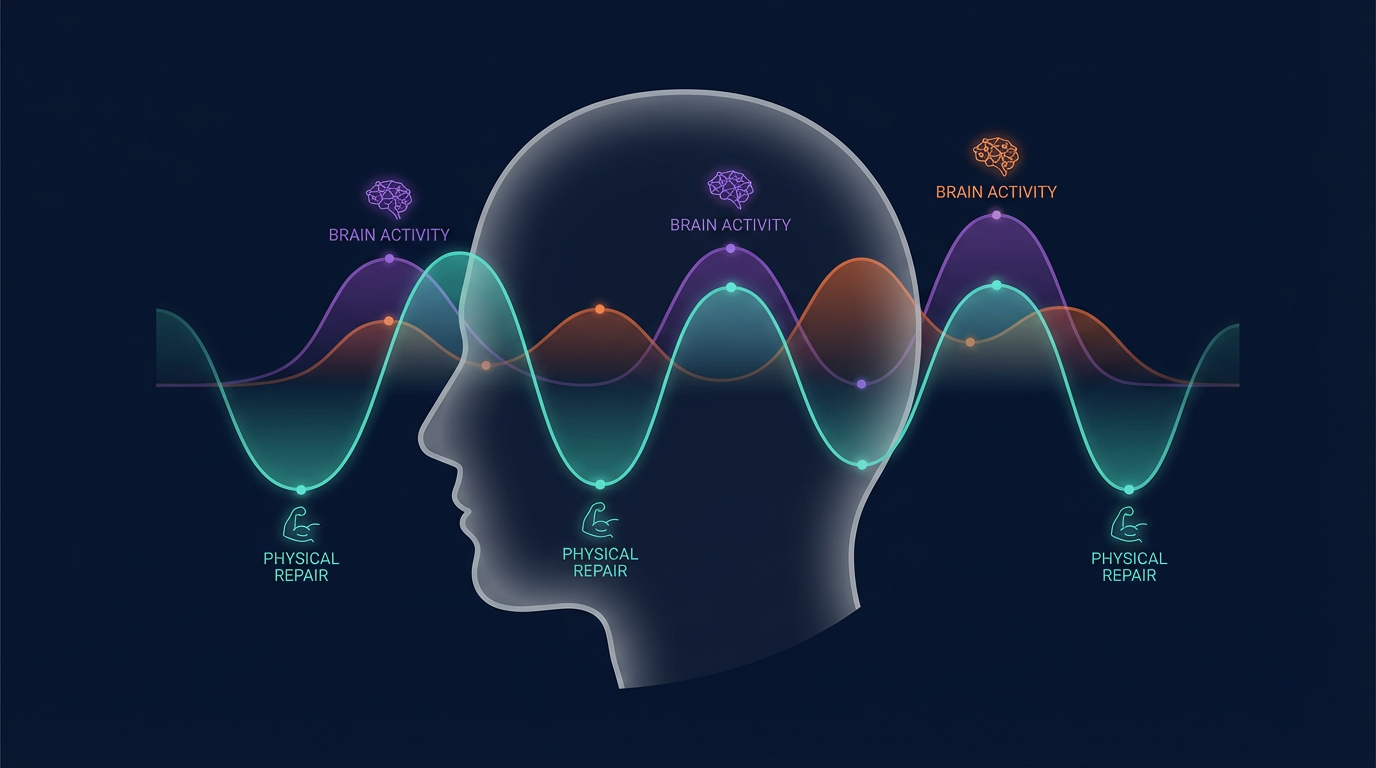
    A nap can restore alertness after sleep loss, but timing and duration matter, and naps do not replace adequate nighttime sleep.
    Matt Lobel

    April 20, 2026

    4 min read

  16. Sleep Stages: What They Mean—and What Trackers Cannot Tell You

    SLEEP & RECOVERY

    Sleep Stages: What They Mean—and What Trackers Cannot Tell You

    Learn the roles of NREM and REM sleep, why stages vary naturally, and why consumer trackers should not be treated like a sleep laboratory.
    Matt Lobel

    April 20, 2026

    4 min read

  17. Hydration for Training: Individualize the Plan

    HYDRATION & PERFORMANCE

    Hydration for Training: Individualize the Plan

    Fluid needs vary with sweat rate, heat, duration, body size, and diet. Both dehydration and overdrinking can be dangerous.
    Matt Lobel

    April 19, 2026

    4 min read

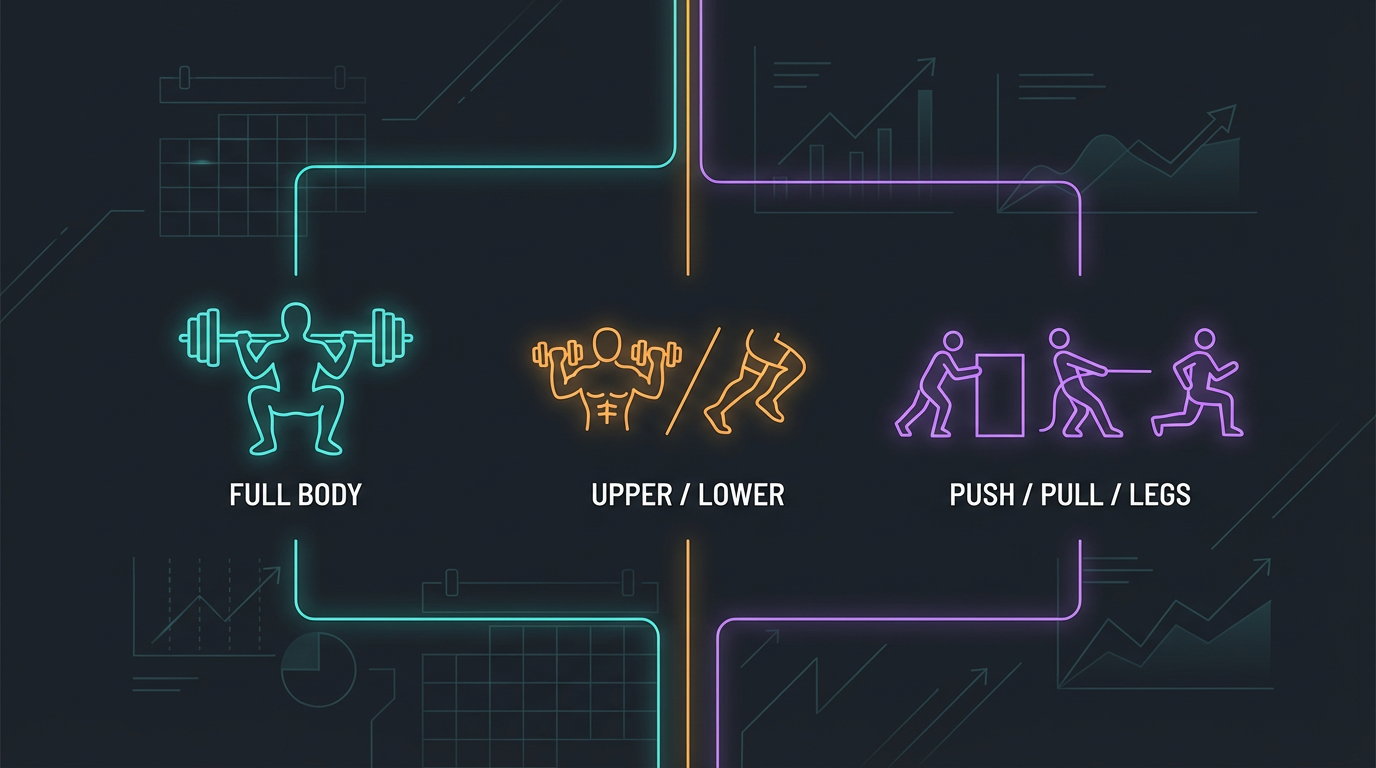
  18. Upper/Lower vs. Push-Pull-Legs vs. Full Body

    TRAINING & PERFORMANCE

    Upper/Lower vs. Push-Pull-Legs vs. Full Body

    Workout splits organize training; they do not create results by themselves. Choose one that covers every major muscle group and fits your week.

    Matt Lobel

    April 19, 2026

    4 min read

  19. Sleep Consistency and Duration: Recovery Needs Both

    SLEEP & RECOVERY

    Sleep Consistency and Duration: Recovery Needs Both

    Adequate duration and a regular schedule are complementary parts of healthy sleep; neither should be treated as a substitute for the other.
    Matt Lobel

    April 14, 2026

    4 min read

  20. Fiber, Gut Health, and Training: A Practical Guide

    NUTRITION & PERFORMANCE

    Fiber, Gut Health, and Training: A Practical Guide

    Fiber supports digestive and cardiometabolic health, but more is not always better around training.
    Matt Lobel

    April 10, 2026

    4 min read

  21. Progressive Overload: How to Progress Without Forcing It

    TRAINING

    Progressive Overload: How to Progress Without Forcing It

    Progressive overload means training demands rise as your capacity improves; it does not require adding weight every workout.
    Matt Lobel

    April 8, 2026

    4 min read

  22. What Is Sleep Debt—and Can You Pay It Back?

    SLEEP & RECOVERY

    What Is Sleep Debt—and Can You Pay It Back?

    Extra sleep can help after a shortfall, but weekend catch-up does not reliably erase the effects of a chronically short schedule.

    Matt Lobel

    April 6, 2026

    4 min read

  23. HRV and Sleep Duration: Two Different Recovery Signals

    SLEEP & RECOVERY

    HRV and Sleep Duration: Two Different Recovery Signals

    HRV can add context to recovery, but it does not replace adequate sleep. Learn how to use both without overreacting to one reading.
    Matt Lobel

    April 3, 2026

    4 min read

  24. Protein Timing: Myth vs. Science

    NUTRITION

    Protein Timing: Myth vs. Science

    Total daily protein is the priority. Timing and distribution can help, but the post-workout window is not a 30-minute emergency.

    Matt Lobel

    April 2, 2026

    4 min read

  25. How Sleep Affects Workout Performance

    SLEEP & PERFORMANCE

    How Sleep Affects Workout Performance

    Sleep loss can impair attention, decision-making, and some aspects of physical performance. Here is how to respond without relying on invented percentages.
    Matt Lobel

    April 1, 2026

    4 min read

  26. Counting Macros vs. Calories: What Each Number Can—and Cannot—Do

    NUTRITION

    Counting Macros vs. Calories: What Each Number Can—and Cannot—Do

    Calories describe energy; macros describe protein, carbohydrate, and fat. Choose the least burdensome tracking method that serves your goal.

    Matt Lobel

    March 31, 2026

    4 min read